Siberian Wooden Architecture
Churches, chapels, and domestic buildings 300–400 years old: why Siberian wood still stands.
Siberia is the only region of Russia where the wooden architecture of the 17th–19th centuries survives in living, "working" condition: Siberian timber is denser, and the climate drier, than in the west, so the wood holds for centuries.
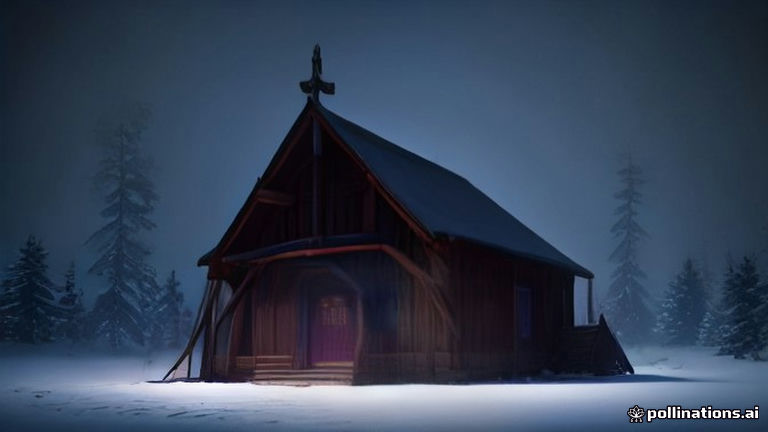
What to look for
- Tobolsk — the main city of Siberian carving: chapels, churches, and bridges with eaves (nalichniki) found nowhere else in the region.
- Tyumen — the Burkov House and other merchant houses with carved window frames; Tyumen carving is distinguished by "the richness and density of its relief carving, with the buildings themselves comparatively simple," as researchers S. Zavarikhin and B. Zhuchenko put it.
- The village architecture of the surroundings — izbas, bathhouses, and barns, often on stilts, so the log wall never touched the ground.
Why it matters
In Siberia, wood was built not "for centuries" by a drawing, but by living tradition: every joint, every shingle board, was the result of a specific technique passed down in workshops. Siberian masters built what western Russia considered village work — here it was urban architecture: stone at the base, with a wooden "decoration" that is the local style itself.
Practical: the best examples are in Tobolsk (the kremlin + the old town), Tyumen (the centre), and the villages along the banks of the Tobol and the Tura. In winter the wooden churches look even better: snow emphasises the carved details that get lost in the green in summer.